
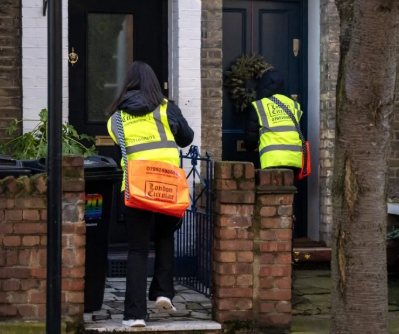

Many local businesses book a single round of leaflet distribution, count the phone calls that follow, and decide whether print marketing works. That verdict often arrives too early. A household that ignores a menu in March may keep one in June, once it has seen the name a few times and needs the service.
Treating each drop as part of a planned sequence changes the result. Well-organised leaflet distribution works best as a steady local channel that keeps your business visible to the same streets, builds familiarity over months, and gives you real response data to plan the next round with. The shift is simple in principle, but it asks for consistent targeting, honest review and dependable delivery.
Why One-Off Drops Rarely Show the Full Picture
One Drop Measures Timing, Not Demand: A one-off campaign mostly measures who happened to need your service that week, not how many households would respond over time. A boiler engineer, cleaner or estate agent serves needs that come up unpredictably. If your leaflet lands a fortnight before a boiler fails, it has already gone in the recycling. Repeat drops close that timing gap.
Stopping Early Resets Earlier Progress: When a business pauses print activity after one attempt, the familiarity it started to build fades quickly and a competitor’s leaflet fills the space. In everyday distribution work, teams regularly see clients return after a year away and find they are starting from scratch, with weaker brand recall than before. Restarting later tends to cost more than keeping a modest, regular presence.
See also: Understanding the Technology Behind Digital Assets
What Repeat Campaigns Reveal About Your Area
Response Patterns Reveal Stronger Postcodes: Tracking where calls, bookings and voucher redemptions come from shows which streets respond and which do not. A takeaway may find that flats near a station order more than detached homes a mile away. Using a unique offer code or phone number per area makes this easy to spot, and the next drop can shift weight toward the stronger postcodes.
Test Offers One Change at a Time: Repeat campaigns let you compare offers fairly, as long as only one thing changes between rounds. A percentage discount might outperform a free add-on, or a folded menu might beat a single flyer. Keeping the area and timing steady while adjusting the offer gives a clearer answer than guessing, and each round sharpens the next.
Choosing Solus, Shared or Selected Street
Solus Suits Rounds Where Attention Matters: Solus delivery puts your leaflet through the door on its own, which gives it the best chance of being read. It suits new openings, high-value services and any round where you are testing a strong offer. The trade-off is a higher cost per thousand, which can limit how often a smaller budget allows you to repeat.
Shared and Selected Street Stretch Budgets: Shared delivery places your leaflet alongside non-competing items at a much lower cost, which makes frequent drops affordable and can bring down your customer acquisition cost across a year. Response per drop may dip slightly. Selected street delivery lets you return to proven roads with precision, and many ongoing campaigns mix all three depending on the goal of each round.
Consistent Delivery Protects the Investment
Every Round Must Reach the Same Doors: Comparing one round with the next only makes sense when both actually reached the planned households. If half a route is skipped in April, a dip in May looks like a weak offer rather than a delivery gap. Reliable leaflet distribution keeps the data honest, which means every decision about the next campaign starts from accurate figures.
GPS Reports Make Delivery Verifiable: A family-run London team with supervised, long-serving distributors and GPS tracker reports on every plan gives you proof of where each leaflet went. Back checks add another layer of accountability. With experience across Greater London, from Walthamstow to Richmond, the same team can plan routes, advise on areas and keep standards steady from the first drop to the tenth.
Signs a Campaign Should Become Regular
Not every business needs a year-round programme straight away, but certain signals suggest that regular leaflet distribution would pay back better than occasional one-off drops. These practical indicators help you decide when to commit to a rhythm rather than a single push, and they are worth reviewing with a distributor before you set the next campaign date.
- A modest first response shows the area has demand worth building on.
- You serve a fixed catchment of a few nearby postcodes.
- Customers need your service repeatedly or at unpredictable moments.
- You can track responses by area with codes or dedicated numbers.
- A steady budget allows smaller, regular drops over one large spend.
Turning Local Familiarity into Steady Enquiries
A planned series of drops builds something a single leaflet cannot, which is a name that households recognise and trust when the need arises. Each round adds response data, sharper targeting and better offers, so the programme improves as it runs. Businesses that stick with a steady rhythm tend to spend less per enquiry over time than those who start and stop.
Consistent leaflet distribution keeps your business in front of the right local households round after round. Waiting another season usually means rebuilding awareness from a lower starting point while competitor leaflets keep landing on the same doormats. The practical next step is a free consultation to review your areas, compare plans and map out a campaign schedule. Get in touch today for a free quote.